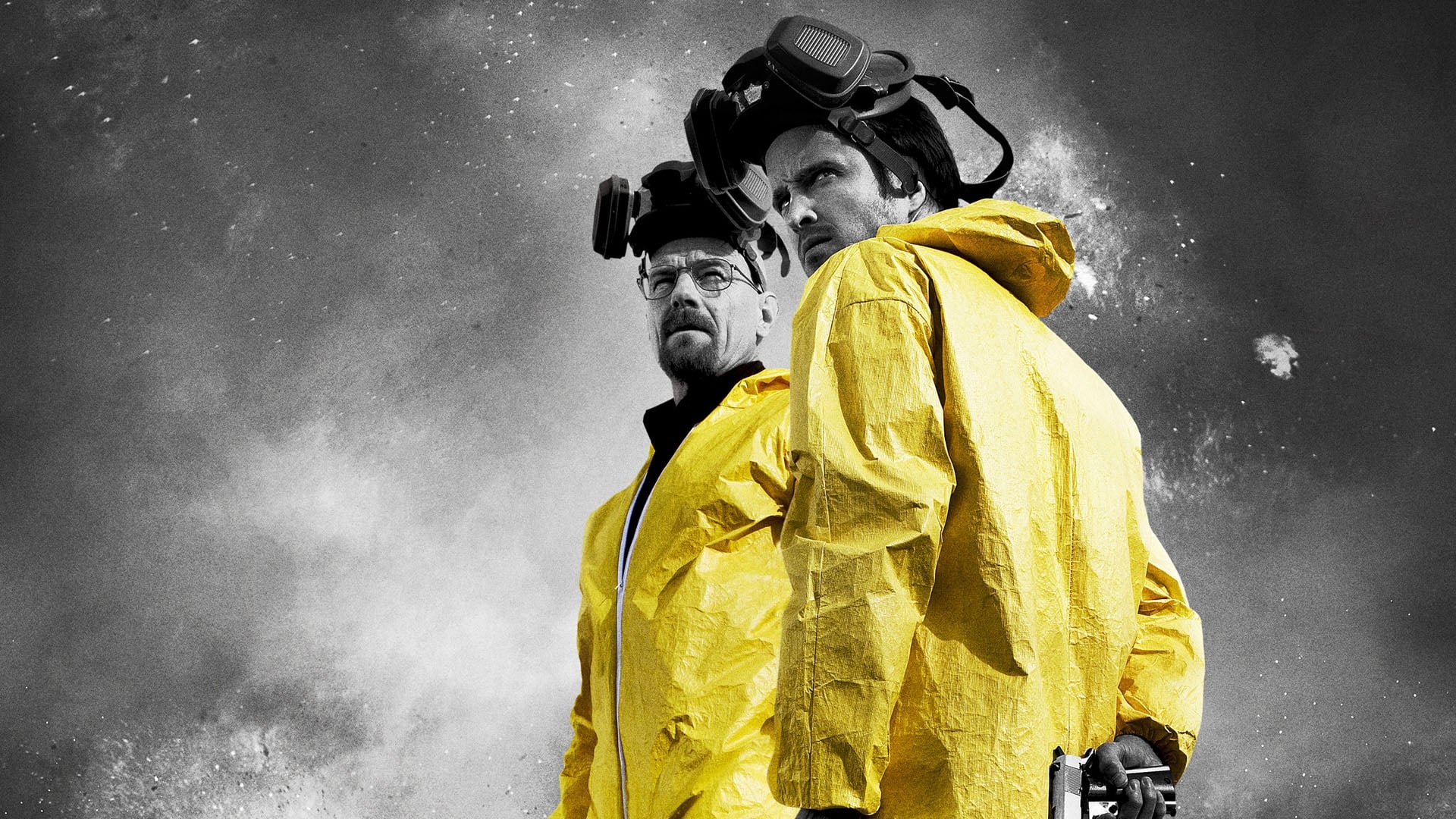
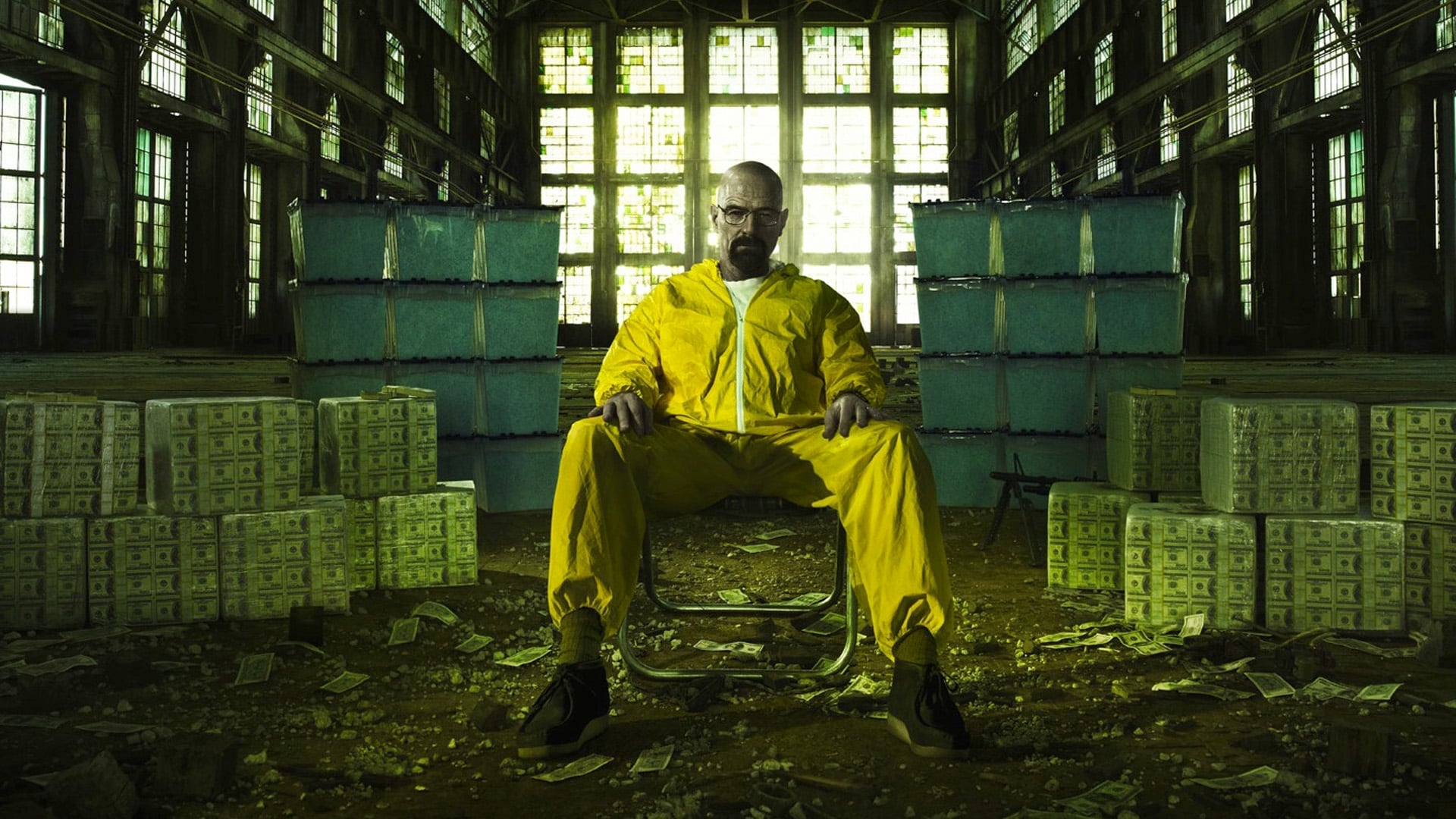
When Breaking Bad premiered on AMC in 2008, it initially seemed like a series about a man who, due to bad luck, ends up in crime. Ultimately, Walter White became much more than that. He grew into the icon of the modern antihero. His transformation from a modest chemistry teacher to a ruthless drug lord is one of the most fascinating character developments in television history.
The story begins simply. Walter, an underpaid teacher in Albuquerque, learns he is terminally ill. To secure his family's financial future, he decides to produce crystal meth. What starts as a desperate measure slowly turns into an obsession. Under the alias Heisenberg, he evolves into a man who not only wants to survive but wants to dominate. What makes Walter White such a powerful antihero is that his journey initially feels understandable. Who wouldn't do everything to protect their family? But as time goes on, his motivation shifts. It's no longer about money or care, but about power, pride, and control. His famous quote "I did it for me" perfectly encapsulates that evolution.
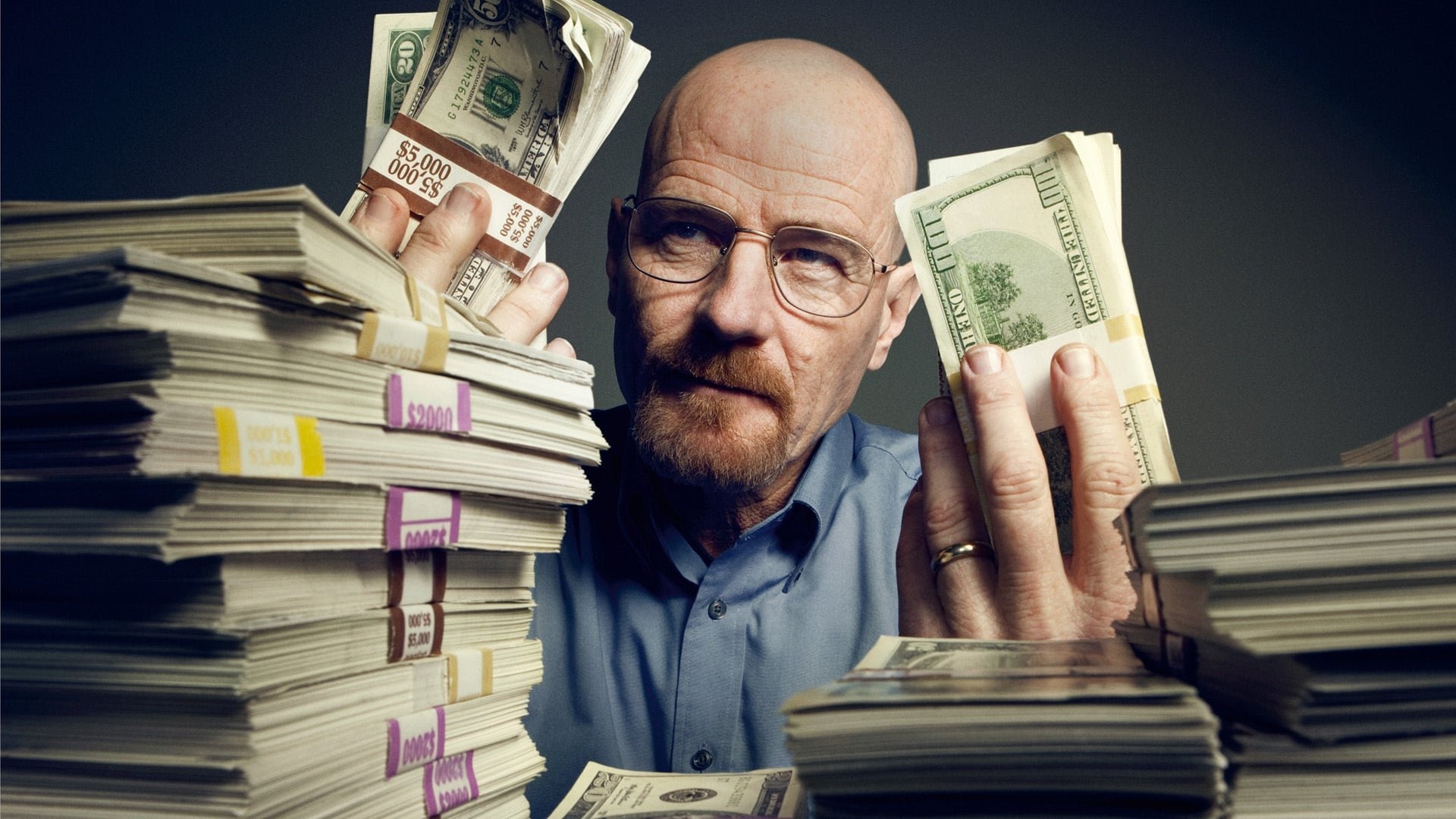
The series itself can already be called a masterpiece. Bryan Cranston's portrayal of Walter White has definitely contributed to this. What makes Breaking Bad so brilliant is that we continue to follow Walter and empathize with him, even when he irrevocably goes wrong. Bryan Cranston's portrayal is crucial in this. He gives Walter a mix of vulnerability and menace that forces us to keep watching, even when we should despise him. Walter is not a hero, but also not a classic villain. He is a man who gradually pushes his boundaries until nothing remains of the teacher we met in episode one.
Walter White is more than a character. He is a phenomenon. He showed that television is no longer about heroes and villains, but about people who are complex and broken. Strangely enough, they are sometimes frighteningly relatable. Maybe that's why we'll never forget him.






I think I'll watch it again soon.
Thanks again for a nice column, Pascal!