Fase 8: Femicide
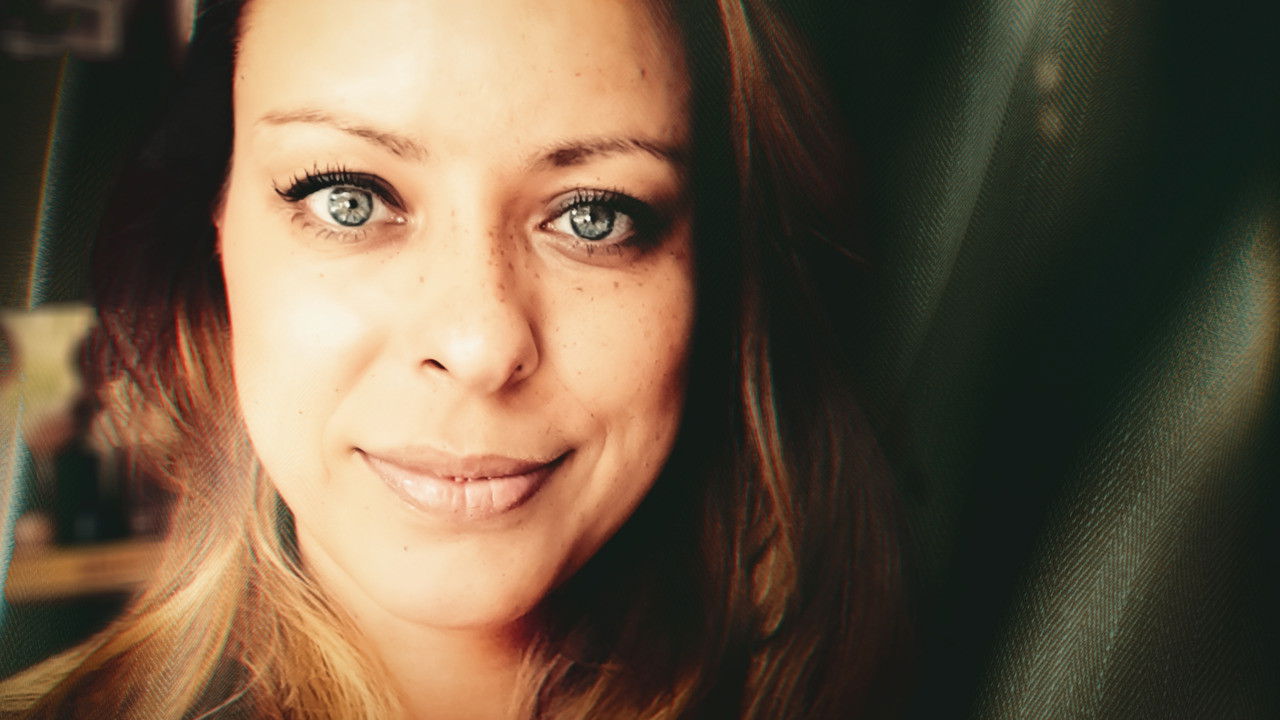
The first documentary tackles a subject that is increasingly coming to light. The NPO documentary Fase 8: Femicide shows how relationships that start off rosy can spiral into a dangerous cycle of manipulation, control, and violence. One woman recounts how she was initially showered with roses and gifts, but that loving attention slowly turned into control, accusations, and complete isolation. Eventually, she no longer had her own phone or means of transport. Another woman remembers how her partner discovered her new address and then terrorized her with vandalism, threats, and nighttime visits to her home.
Children are also given a voice in the series. Or a grandmother who had to helplessly watch as her grandson was placed with the family of the perpetrator after her daughter's murder. At the same time, the creators speak with perpetrators in a forensic psychiatric clinic, including a man who had a loaded weapon ready to kill his wife but was stopped at the last moment. By weaving these personal stories with expert insights, Fase 8: Femicide shows how predictable the process towards femicide often is and how important it is to recognize signs earlier to prevent tragedy.
Y a-t-il un dealer dans l’avion?
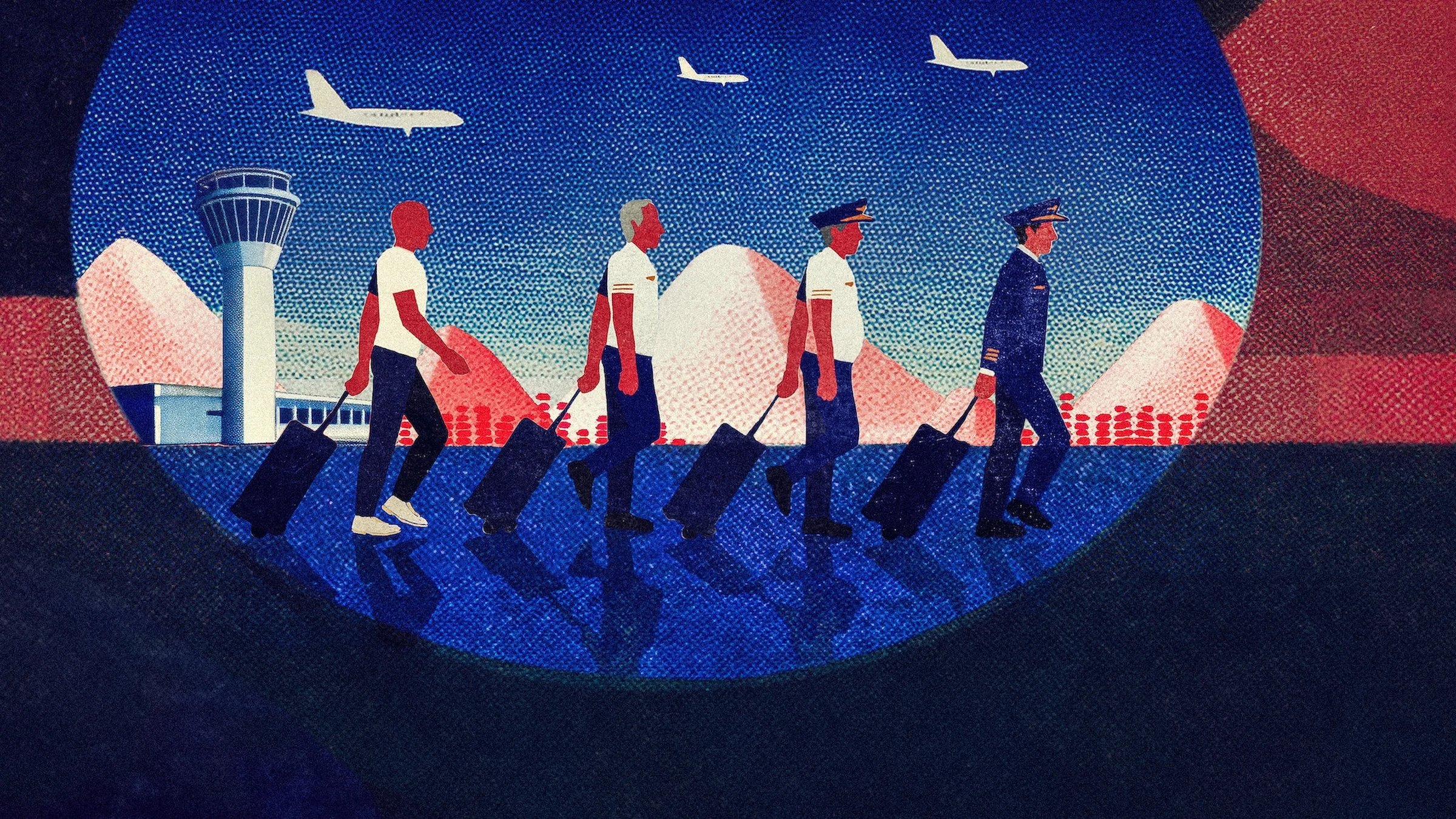
In a lesser-known French documentary Y a-t-il un dealer dans l'avion? on Netflix, the so-called 'Air Cocaïne' case is re-examined.
The story begins in Punta Cana, where a private jet is stopped just before departure. On board are four French citizens. In the luggage compartment, 26 suitcases filled with cocaine are found.
What makes this case remarkable is that none of those involved fit the typical profile of an international drug smuggler. This fact immediately raises questions about the origin of the cargo and the actual role of the suspects.
During the reconstruction, names from higher French social and political circles also emerge, including former president Nicolas Sarkozy and entrepreneur Alain Afflelou. Although their involvement is not definitively proven, it illustrates how complex and layered the dossier is. The pilots maintain they knew nothing. At the same time, aviation experts assert that such a quantity of cocaine is hard to miss. The documentary then follows the remarkable escape of the French from the Dominican Republic and their return to France, where the case proves to be even more legally and politically complicated. With the help of archive footage and testimonies, the documentary shows how the investigation develops into a dossier where new issues continually emerge. Each episode reveals new details but rarely offers conclusive answers.
Ultimately, one central question remains: who was truly responsible for the operation around 'Air Cocaïne', and why?
Bad influence: The dark side of kidfluencing

Another documentary that left me in astonishment is Bad Influence: The Dark Side of Kidfluencing. This series delves deep into the world of Piper Rockelle, a young YouTube star with millions of followers, and her mother and manager Tiffany Smith, who as a strict 'momager' had a firm grip on the reins. However, behind the cute photos and cheerful videos lies a much darker reality.
In three episodes, former Squad members and their parents share their stories of abuse, manipulation, exploitation, and the toxic work pressure within this influencer world.
The documentary shows how seemingly innocent content such as pranks, challenges, and 'crush' videos actually formed a facade for a stressful and sometimes threatening environment where children were under immense pressure. Bad Influence painfully makes it clear that the world of child influencers is far from innocent, no matter how cheerful the videos may seem.
Wakker in Paraquay
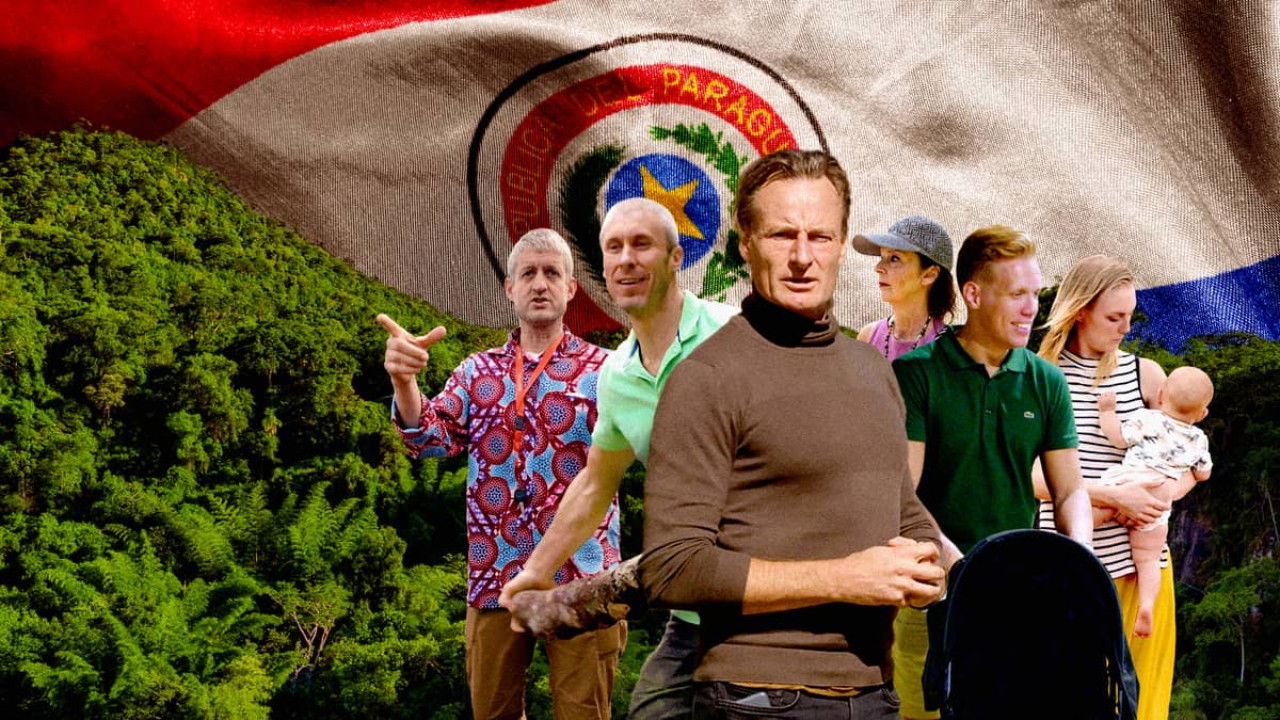
In the NPO documentary Wakker in Paraguay, a group of Dutch people is followed who, driven by deep distrust towards the Dutch government, decide to leave their lives behind and make a fresh start in Paraguay.
They leave with the idea that the Netherlands is suffocated by taxes, regulations, and hidden agendas, and expect to find a blank slate and true freedom in Paraguay.
Once arrived, the country they idealized turns out to be less manageable than hoped. Their expectations quickly clash with reality: practical challenges, cultural differences, and the search for security prove to be just as complex as at home.
Personal stories are also highlighted. For example, there is Mart, who hopes to meet like-minded individuals in Paraguay and is even searching for an unvaccinated partner, something that proves more difficult in practice than expected. As the group tries to get a grip on their new existence, it becomes clear that the fears that led them to emigrate do not disappear simply by changing countries. Sometimes they are even amplified by the uncertainty of their new environment. Ultimately, what emerges is not just a story about emigration, but mainly an insight into the search for stability and safety in a world these Dutch people perceive as threatening.
Den sorte svane
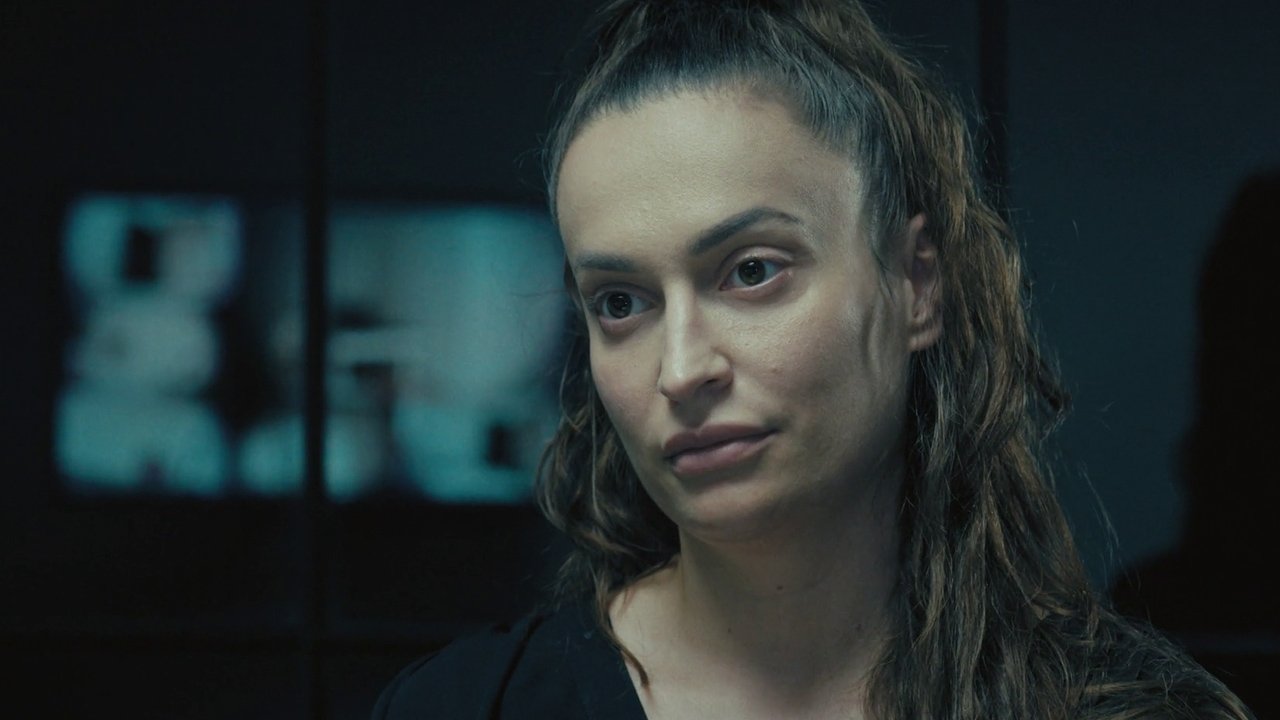
Lastly, I mention the Danish series Advocate of the Underworld. This true-crime docuseries (Den Sorte Svane), available on NPO 2 and NPO Start, caused a major stir in Denmark. The series shows how the underworld and the upper world, in a country known as one of the least corrupt in the world, can unknowingly become closely intertwined.
Central to the story is Amira Smajic, a former corporate lawyer who was hired for years by criminal networks. She advised them on money laundering, tax fraud, and ways to evade justice. When she tries to leave that world, she chooses transparency: together with journalist Mads Brügger, she reopens her consultancy, this time equipped with hidden cameras. Every new client and conversation is recorded.
What comes to light is downright shocking. Smajic's office fills up again, this time not only with hardened criminals but also with respectable businessmen. They sit together, discussing constructions to launder drug money or arrange fraudulent bankruptcies, all as if they are regular business meetings. The series thus reveals a painful truth: Denmark's self-image as exceptionally clean and incorrupt turns out to be less solid than thought.
Whether you like watching crime, social themes, psychology, or human stories: these five documentaries show how versatile, surprising, and captivating the genre can be. They offer not only suspense and insight but also food for thought and prove that reality can sometimes be just as fascinating as fiction.